
The Connection Between Eye Health and Overall Health

The Connection Between Eye Health and Overall Health

The Connection Between Eye Health and Overall Health

The Connection Between Eye Health and Overall Health

Your eyes are an important part of your overall health. While many people think of eye exams as a way to update a glasses or contact lens prescription, a comprehensive eye exam can also help detect signs of health conditions that affect the entire body.
The eyes contain blood vessels, nerves, and delicate tissues that can show changes related to circulation, inflammation, blood sugar, and other health concerns. That is why routine eye care is not just about seeing clearly - it is also an important step in protecting your long-term wellness.
How Overall Health Can Affect Your Eyes
Certain health conditions can directly affect your vision and eye health. Diabetes, high blood pressure, autoimmune conditions, and thyroid disease may all lead to changes in the eyes. In some cases, these changes may develop slowly and without obvious symptoms at first.
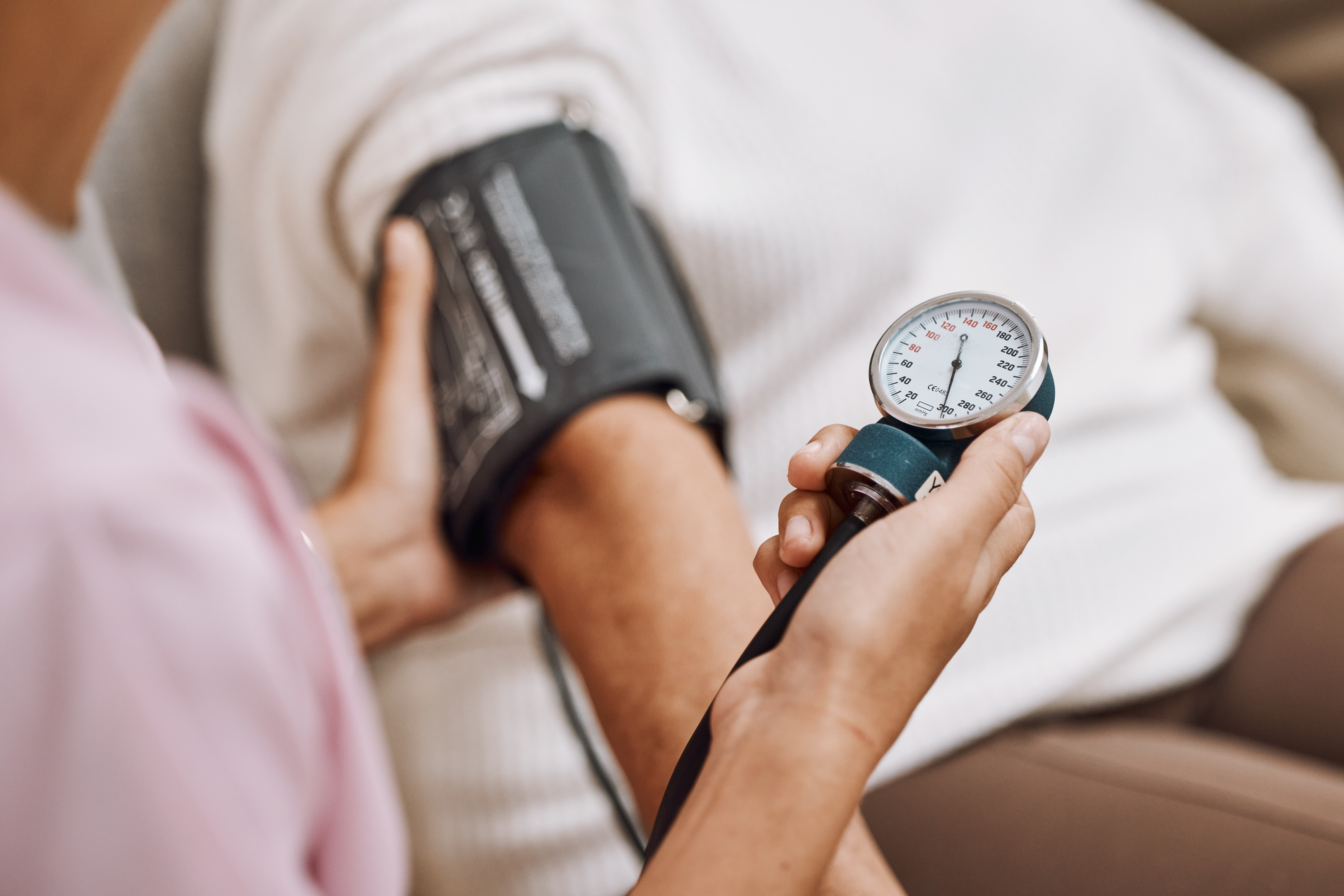
For example, diabetes can affect the small blood vessels in the retina, which may increase the risk of diabetic eye disease. High blood pressure can also place stress on the blood vessels in the eyes. When these issues are found early, patients have a better chance of protecting their sight and working with their healthcare providers to manage their overall health.
What an Eye Exam Can Help Detect
A comprehensive eye exam gives your eye doctor a closer look at the health of your eyes, not just how well you can see. During an exam, your doctor may look for signs of eye disease, prescription changes, and health-related concerns that can affect the retina, optic nerve, and other structures.
An eye exam may help identify signs linked to:
- Diabetes and diabetic eye disease
- High blood pressure
- High cholesterol
- Glaucoma
- Cataracts
- Dry eye and inflammation
- Retinal changes
Not every eye change means there is a serious health problem, but regular exams help your eye doctor track changes over time and recommend the right next steps when something needs attention.
Why Regular Eye Care Matters
Many eye conditions do not cause noticeable symptoms in the early stages. You may still see clearly while changes are happening inside the eye. This is one reason routine eye exams are so important, even if your vision seems fine.
Regular eye care helps catch problems earlier, monitor existing conditions, and support better long-term outcomes. It also gives you a chance to discuss symptoms like blurry vision, eye strain, headaches, light sensitivity, or dry eyes before they begin affecting your daily life.
Supporting Eye Health Through Healthy Habits
Your daily habits can also support healthy eyes. Eating a balanced diet, staying hydrated, managing chronic health conditions, wearing UV protection, taking breaks from screens, and not smoking can all play a role in protecting your vision.
If you have a condition such as diabetes or high blood pressure, it is especially important to keep up with both your medical care and your eye exams. Your eye doctor can help monitor how these conditions may be affecting your eyes and provide guidance based on your specific needs.
Eye Health Is Part Of Whole-Body Wellness
Your vision is connected to the rest of your body in many ways. When you make eye care part of your regular health routine, you are taking an important step toward protecting both your sight and your overall well-being.
Your eyes can say a lot about your health - schedule your next eye exam with Eye Focus Northwest. Visit our office in Salem or Tigard, Oregon. Call (971) 808-2640 or (971) 202-1932 book an appointment today.


© 2026 Eye Focus Northwest. All rights Reserved. Accessibility Statement - Privacy Policy - SMS Privacy Policy - Terms and Conditions - Sitemap
Powered by:
