
Why Driving at Night Causes Blurry Vision and Glare (And When to See an Optometrist)

Why Driving at Night Causes Blurry Vision and Glare (And When to See an Optometrist)

Why Driving at Night Causes Blurry Vision and Glare (And When to See an Optometrist)

Why Driving at Night Causes Blurry Vision and Glare (And When to See an Optometrist)

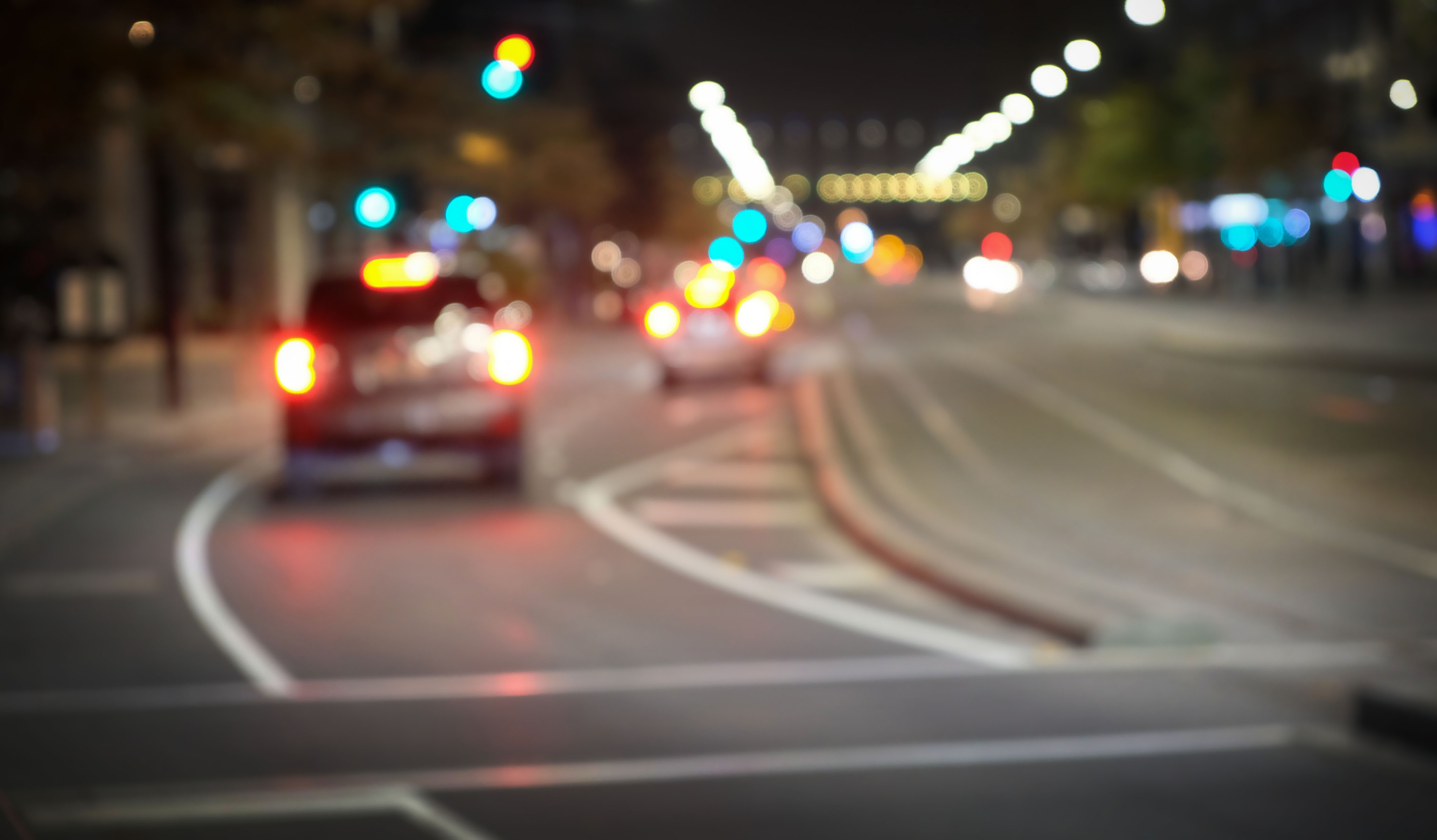
Driving at night can be challenging when headlights appear unusually bright, road signs look blurry, or lights seem surrounded by halos. While some difficulty seeing in low-light conditions is normal, persistent nighttime blurry vision and glare may indicate an underlying vision problem. At Eye Focus Northwest, we help patients in Salem and Tigard understand what's affecting their vision and find ways to improve clarity and comfort behind the wheel.
Why Is Vision Worse When Driving at Night?
Your eyes adjust to darkness by allowing more light to enter through larger pupils. However, larger pupils can also make certain focusing problems more noticeable, especially when looking at headlights, streetlights, and reflective surfaces.
Low-light conditions also reduce contrast, making it harder to distinguish objects from their surroundings. If you have an outdated glasses prescription or an underlying eye condition, these challenges may become more noticeable while driving.
Common Causes of Blurry Vision and Glare at Night
Several eye conditions can contribute to difficulty seeing clearly after sunset, including:
• Astigmatism: An irregularly shaped cornea or lens can cause lights to appear stretched, distorted, or surrounded by streaks.
• Nearsightedness: Myopia can make distant road signs, vehicles, and other objects appear blurry, particularly in low-light conditions.
• Dry Eye: An unstable tear film can scatter light, causing fluctuating blurry vision, glare, and discomfort.
• Cataracts: Clouding of the eye's natural lens can increase light sensitivity, glare, and halos around headlights.
• Outdated Prescriptions: Even small changes in your prescription may affect how clearly you see while driving at night.
Identifying the cause is important because each condition requires a different approach to improving vision.
How Can You Reduce Glare While Driving at Night?
If nighttime glare is interfering with your ability to drive comfortably, a few practical adjustments may help. Start by ensuring your glasses or contact lens prescription is current. Lenses with an anti-reflective coating may also reduce distracting reflections, although they cannot eliminate every source of glare.
Keeping your windshield, mirrors, and eyeglasses clean can help prevent additional light scattering. If dry eye is contributing to your symptoms, appropriate treatment may improve visual stability.
Avoid relying on yellow-tinted night-driving glasses, as they can reduce the amount of light reaching your eyes without reliably improving nighttime visibility.
When Should You See an Optometrist for Night Vision Problems?
Occasional difficulty adjusting to darkness may not indicate a serious issue. However, schedule a comprehensive eye exam if you experience persistent blurry vision, worsening glare, halos around lights, or difficulty recognizing road signs at night.
At Eye Focus Northwest, we can evaluate your prescription, examine your eye health, and identify potential causes of nighttime vision changes. Our comprehensive eye exams help determine whether updated corrective lenses, dry eye treatment, or additional evaluation may be necessary.
Sudden vision loss, severe eye pain, or new flashes and floaters with a shadow or curtain over your vision require urgent medical attention. If your nighttime vision feels unsafe, avoid driving until the issue has been evaluated.
Schedule a Comprehensive Eye Exam at Eye Focus Northwest
If blurry vision or glare makes nighttime driving difficult, schedule a comprehensive eye exam at Eye Focus Northwest. Contact our office in Salem by calling (971) 808-2640, or our office in Tigard at (971) 202-1932 book an appointment today.


© 2026 Eye Focus Northwest. All rights Reserved. Accessibility Statement - Privacy Policy - SMS Privacy Policy - Terms and Conditions - Sitemap
Powered by:
